
Developing Resilience: Helping Your Dog Handle Stressful Situations
Teach Your Dog to Stay Calm, Focused, and Confident Under Pressure
At Destination Dog Training, we know that a well‑trained dog isn’t just obedient—they’re emotionally steady. Dogs encounter stress every day: sudden noises, new environments, crowded areas, unfamiliar dogs, and unpredictable human behavior.
A dog’s ability to recover from these moments is what turns basic training into reliable real‑world behavior. Resilience training strengthens that ability, helping your dog stay composed even when life gets chaotic.
What Is Resilience Training?
Resilience training involves gradually introducing mild stressors or distractions in a structured way while reinforcing focus, calmness, and recovery. The goal isn’t to make your dog “tough” or overwhelm them—it’s to teach them that they can handle uncertainty, regulate themselves, and look to you for leadership when things feel unfamiliar.
A resilient dog doesn’t shut down, panic, or escalate. They learn to pause, breathe, and choose the right behavior—no matter what’s happening around them.
Why It Matters
Resilience isn’t optional—it’s part of making your dog safe, reliable, and confident:
- More reliable behavior in public: Dogs that recover quickly from stress respond better to commands outside the home.
- Reduced reactivity: Many reactive behaviors stem from insecurity; resilience training builds confidence.
- Stronger trust in the handler: Your dog learns that you remain steady, so they can, too.
- Improved problem‑solving: Dogs learn to navigate new situations without panicking.
- Better adaptability: Travel, guests, new pets, or changes in routine become far easier to handle.
How to Start Building Resilience
You can work resilience training into your daily routine with manageable, controlled steps:
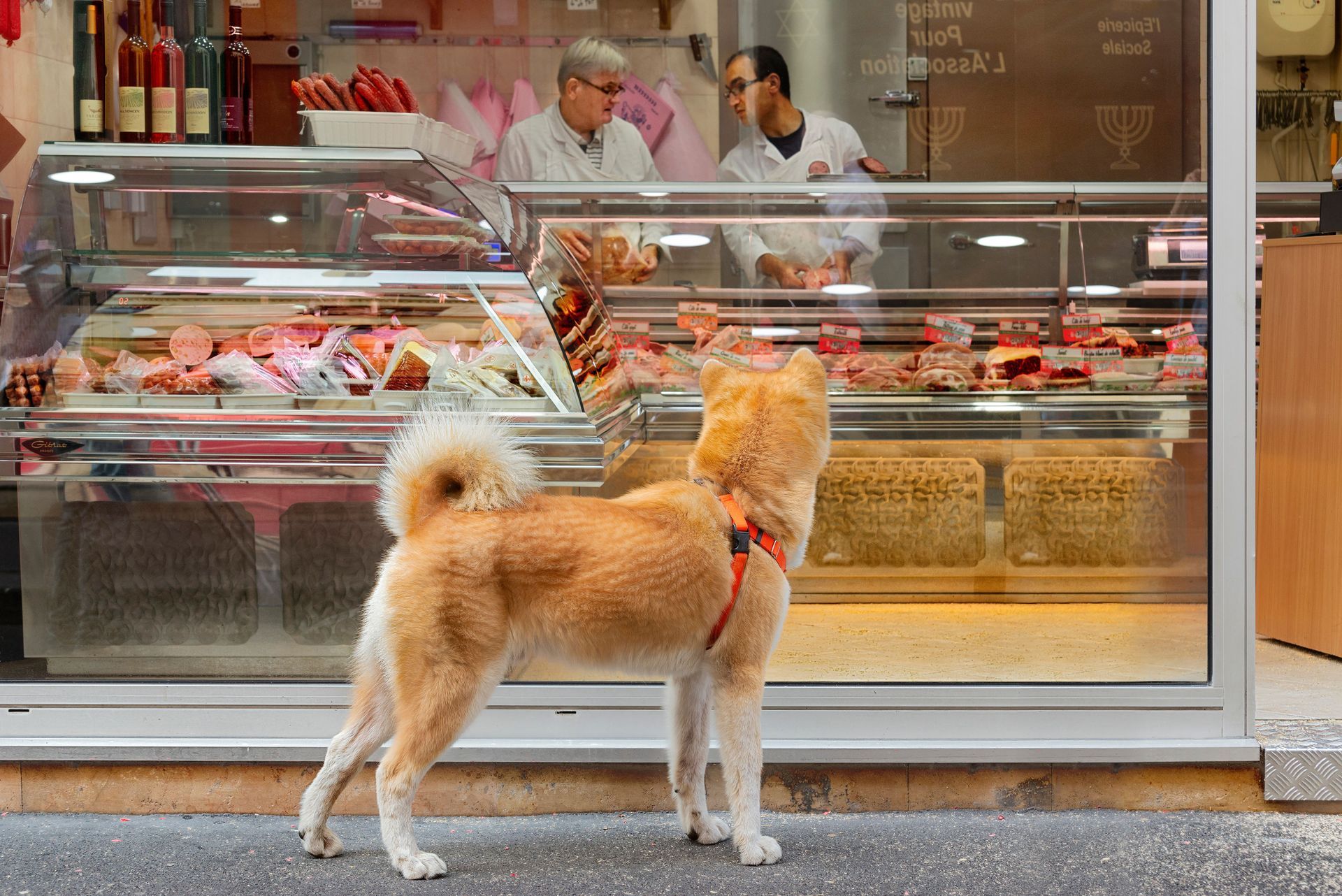
- Introduce new environments slowly: Parks, storefronts, walking paths, hardware stores, and pet‑friendly businesses all offer natural distractions.
- Use known commands first: Ask for simple behaviors—sit, down, heel—before increasing difficulty.
- Reward calm choices: Reinforce neutrality, not excitement or panic.
- Avoid coddling fear: Comforting panic often reinforces it; instead, guide your dog back to structure.
- Add short breaks: Provide opportunities for your dog to reset and lower their arousal before continuing.
- Rotate environments regularly: Predictable training creates predictable behavior; real‑world reliability requires variety.
A dog that can handle stress is a dog that can succeed outside the training field. At Destination Dog Training, resilience is part of every program we offer—we prepare your dog not just to obey, but to thrive in everyday life.