
Every Dog Benefits from Learning Patience
Building Self Control for a Calmer, More Enjoyable Companion
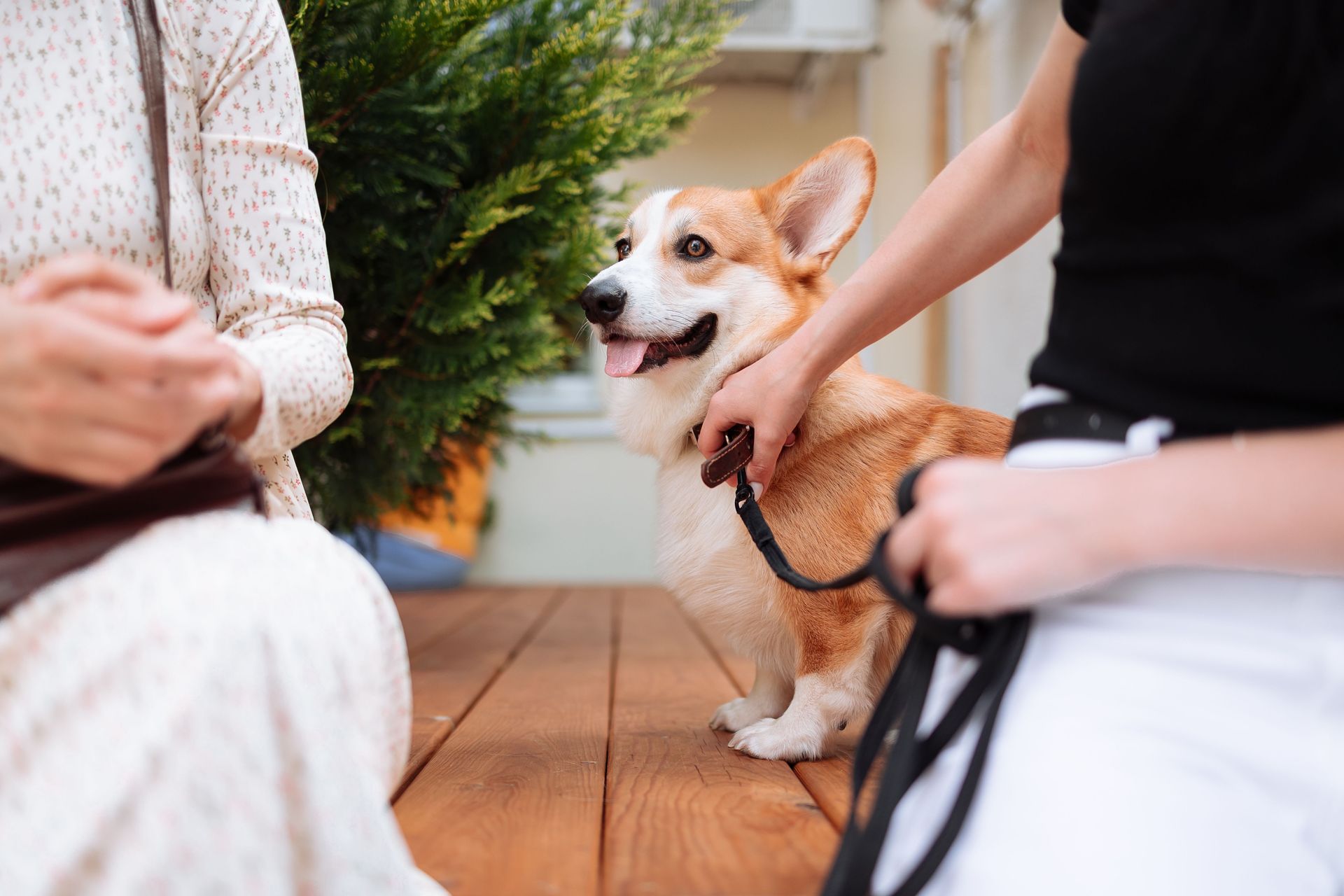
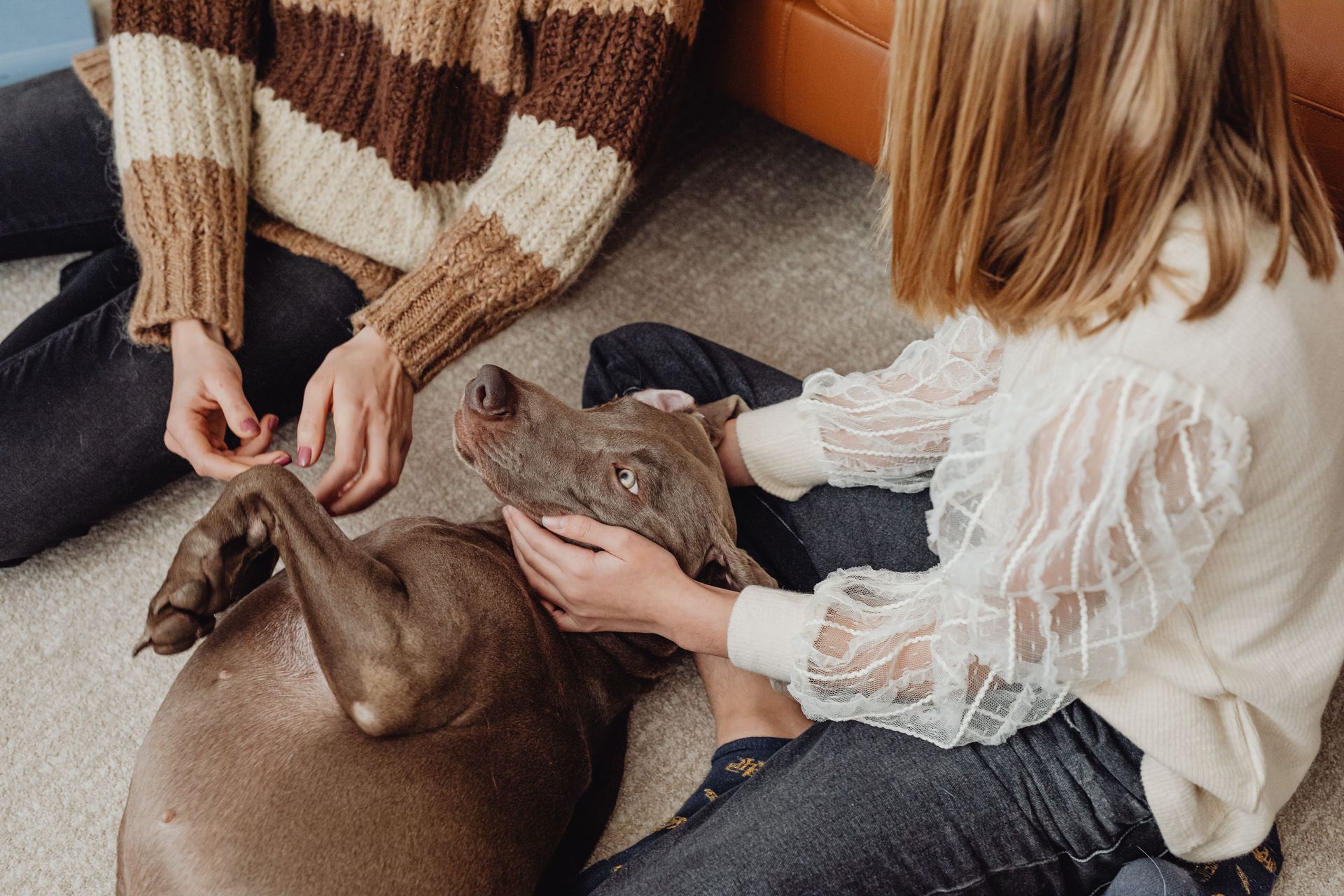
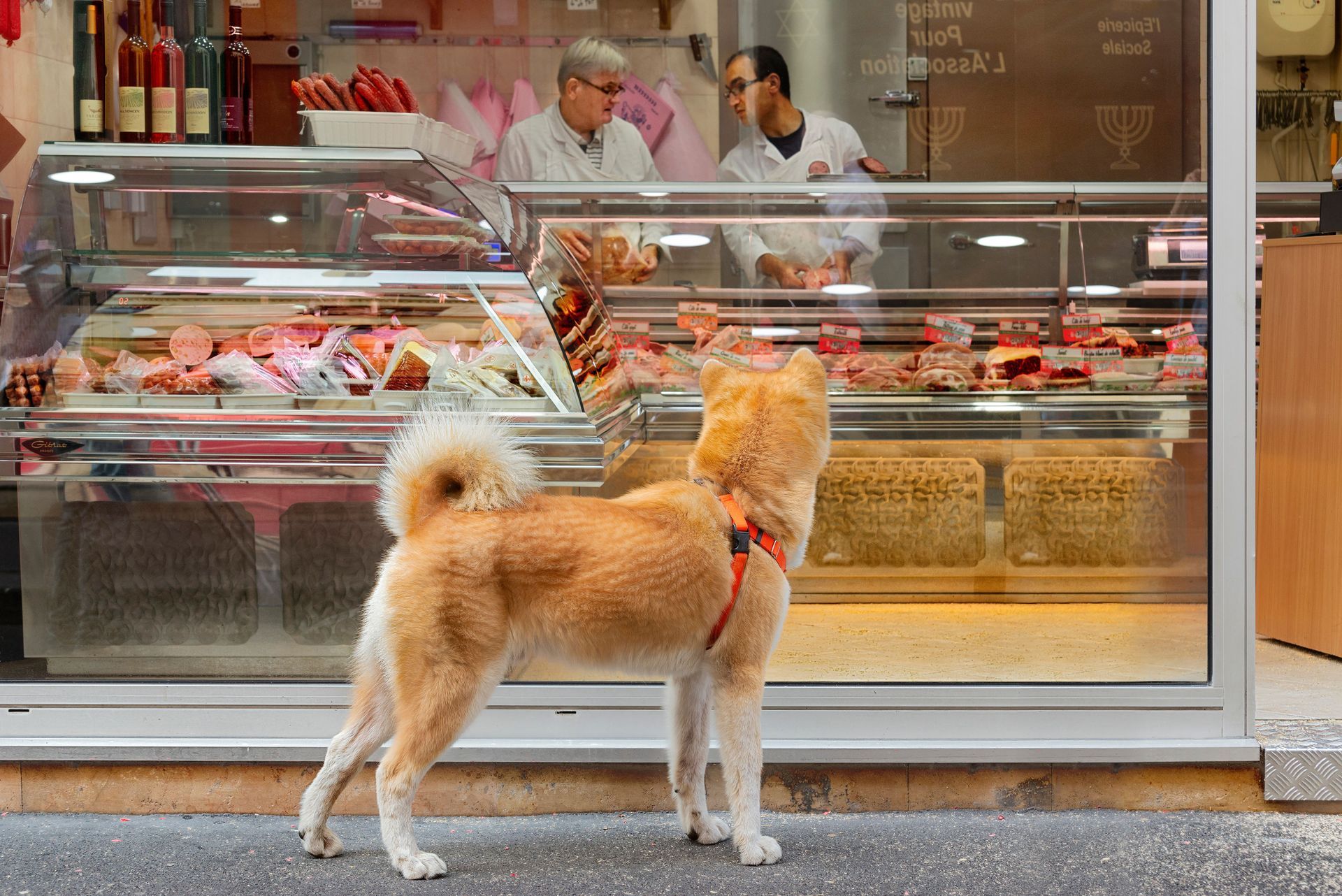
Patience isn't a skill that comes naturally to most dogs. Whether it's rushing through a doorway, jumping up to greet visitors, or barking for attention, dogs often act on impulse. Teaching patience helps your dog slow down, think before reacting, and make better decisions in everyday situations.
At Destination Dog Training, we incorporate patience-building exercises into every program because they're the foundation for good manners both at home and in public. A patient dog is easier to live with, easier to train, and more enjoyable to include in everyday activities.
Why Patience Matters
Impulse control influences nearly every aspect of your dog's behavior. Learning to wait instead of react helps dogs:
- Stay calm when visitors arrive
- Walk politely without pulling ahead
- Wait patiently for meals and treats
- Remain composed around exciting distractions
These may seem like small victories, but together they create a dog that's balanced, respectful, and enjoyable to be around.
How We Teach Patience
Patience isn't taught through long lectures or complicated drills. Instead, it's built into everyday routines and reinforced through repetition. Some of the exercises we commonly practice include:
- Waiting calmly before going through doors
- Holding a sit before meals or playtime
- Remaining on place while people move around the room
- Learning to stay relaxed while another dog works nearby
Each exercise teaches your dog that calm behavior opens the door to good things.
Patience Creates Confidence
Many owners notice that as their dog's patience improves, so does their confidence. Dogs become less frantic in new situations because they've learned to pause, observe, and wait for direction rather than immediately reacting.
That confidence carries into walks, public outings, and even interactions with unfamiliar people or dogs.
A Skill That Lasts a Lifetime
CTeaching patience isn't about slowing your dog down—it's about helping them make better choices. Once these habits become part of your dog's routine, you'll notice calmer behavior, improved focus, and a stronger relationship built on trust and communication.
The ability to wait may seem simple, but it's one of the most valuable skills your dog will ever learn.